

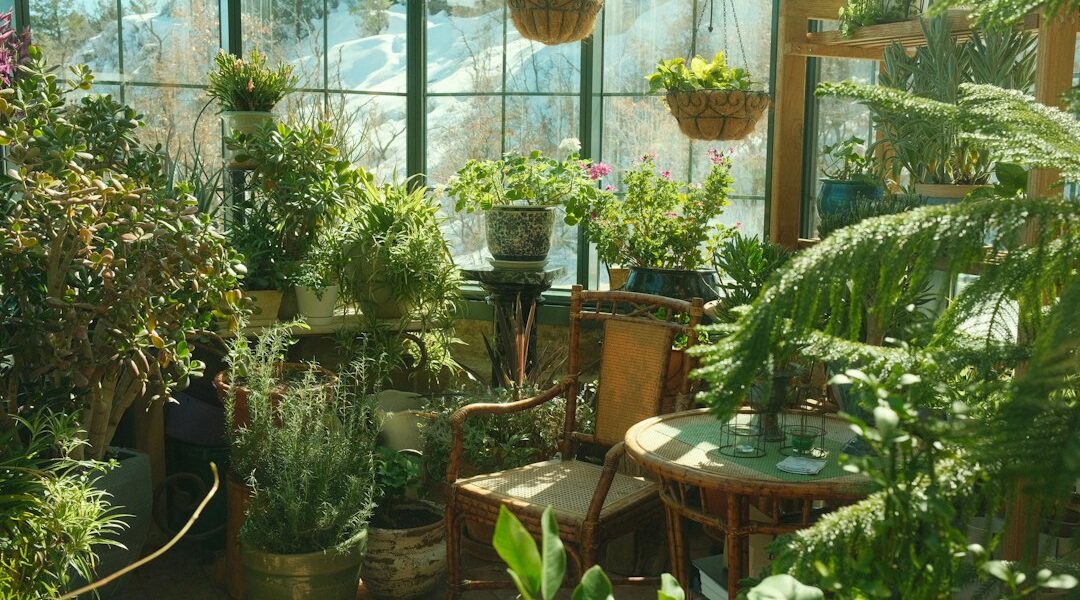
Greenhouse Stores – Find the Perfect Greenhouse for Your Gardening Needs

Creating a productive garden becomes easier when plants have a suitable environment for growing throughout the year. A greenhouse provides protection from certain outdoor conditions and gives gardeners greater control over temperature, ventilation, and growing arrangements. Whether you enjoy cultivating vegetables, raising seedlings, growing flowers, or protecting delicate plants, choosing the right structure is an important step. Greenhouse Stores offers an opportunity to explore different greenhouse designs and features to find an option that matches your gardening interests, available space, and practical requirements.
Identify Your Gardening Priorities
Before choosing a greenhouse, consider how you intend to use it. Gardeners who mainly grow herbs, small vegetables, and seedlings may only need a compact structure with a few shelves. Those interested in cultivating several vegetable varieties or maintaining a larger plant collection may benefit from a more spacious model.
Think about the activities you expect to carry out inside the greenhouse. Potting, propagation, watering, pruning, and storing gardening supplies all require suitable space. Planning these activities beforehand helps determine the dimensions and layout that will work best.
It is also sensible to consider future gardening interests so that the greenhouse remains useful as your experience develops.
Choose a Suitable Greenhouse Size
Greenhouses are available in a range of sizes, making it possible to find options for different outdoor environments. Mini greenhouses can fit into patios, balconies, and smaller gardens. Their compact designs are useful for raising seedlings and growing plants where floor space is restricted.
Medium-sized structures provide additional room for staging, containers, and several plant varieties. Larger greenhouses offer greater flexibility for extensive planting arrangements and taller crops.
Measure the intended location carefully before purchasing. Remember to leave sufficient room for opening doors, accessing shelves, and moving around comfortably. Sunlight exposure and drainage should also influence the final position.
Compare Frame Materials
The greenhouse frame affects appearance, maintenance, and construction.
Aluminium is a lightweight, corrosion-resistant material that generally requires limited maintenance. Its clean lines can complement contemporary outdoor spaces, and it is available in various greenhouse designs.
Wooden frames offer a traditional appearance that blends naturally with established gardens. However, timber needs periodic care and suitable protective treatment to manage moisture and weather exposure.
Compare construction quality, frame specifications, maintenance requirements, and overall suitability rather than choosing solely on appearance.
Understand Glazing Options
Glazing plays an important role in determining light transmission, visibility, and insulation. Glass provides clear views and allows natural light to reach plants. Toughened glass offers improved strength compared with standard glass of similar thickness, although it is not unbreakable.
Polycarbonate is a lightweight and impact-resistant alternative. Multiwall panels contain internal air spaces that can provide additional insulation compared with single-wall sheets.
The best option depends on your plants, local growing conditions, and preferred maintenance routine.
Look for Features That Support Plant Growth
A practical greenhouse should provide suitable ventilation and convenient access. Roof vents and opening windows help regulate temperature and humidity, particularly during warmer periods.
Staging and shelving create organised surfaces for seed trays and pots. Watering accessories can simplify plant care, while shading materials may help protect sensitive varieties from excessive sunlight.
Thermometers and automatic vent openers are also useful additions for gardeners who want to monitor and manage greenhouse conditions more easily.
Plan for Installation and Maintenance
A stable, level base is essential for supporting the greenhouse correctly. Follow the manufacturer’s installation instructions and check whether any specific foundation requirements apply.
Regularly inspect glazing, frame connections, hinges, doors, and ventilation components. Clean panels with suitable materials and maintain the surrounding area to support drainage and accessibility.
Make the Right Greenhouse Choice
Finding the perfect greenhouse involves balancing growing needs, available space, construction materials, and useful features. By comparing these factors carefully, gardeners can choose a structure that supports their interests and fits comfortably into their outdoor environment. With suitable installation and regular maintenance, a greenhouse can become a valuable part of everyday gardening for many seasons.
The Short Version
- A greenhouse provides protection from outdoor conditions and allows for greater control over temperature and ventilation.
- Gardeners need to consider their specific gardening activities, such as potting and watering, when planning the layout and size of a greenhouse.
- Greenhouses come in various sizes, from mini models for small spaces to larger structures that accommodate extensive planting arrangements.
- Frame materials for greenhouses include lightweight aluminum, which requires less maintenance, and traditional wooden frames, which need periodic care.
- Glazing options like toughened glass and polycarbonate affect light transmission, visibility, and insulation in a greenhouse.
- Regular maintenance, including inspections of the greenhouse’s structure and cleaning of panels, is essential for ensuring its longevity and proper functioning.


