
Half step down tuning is a game-changer for guitarists seeking a richer, more resonant sound. By lowering each string by just one half step, you unlock a world of new sonic possibilities. This subtle adjustment can breathe new life into familiar chords and riffs, taking your playing to a whole new level. Whether you’re a beginner or a seasoned pro, the magic of half step down tuning can revolutionize the way you approach your instrument. Let’s dive into this transformative tuning and discover the endless potential it has to offer.

Exploring Half Step Down Tuning: Enhancing Your Guitar Playing Experience
Welcome to the world of guitar playing, where the possibilities are endless and the techniques are ever-evolving. One of the fundamental aspects of playing the guitar is tuning, as it significantly influences the sound and playability of the instrument. In this article, we will delve into the concept of half step down tuning and how it can elevate your music journey to new heights.
Understanding Half Step Down Tuning
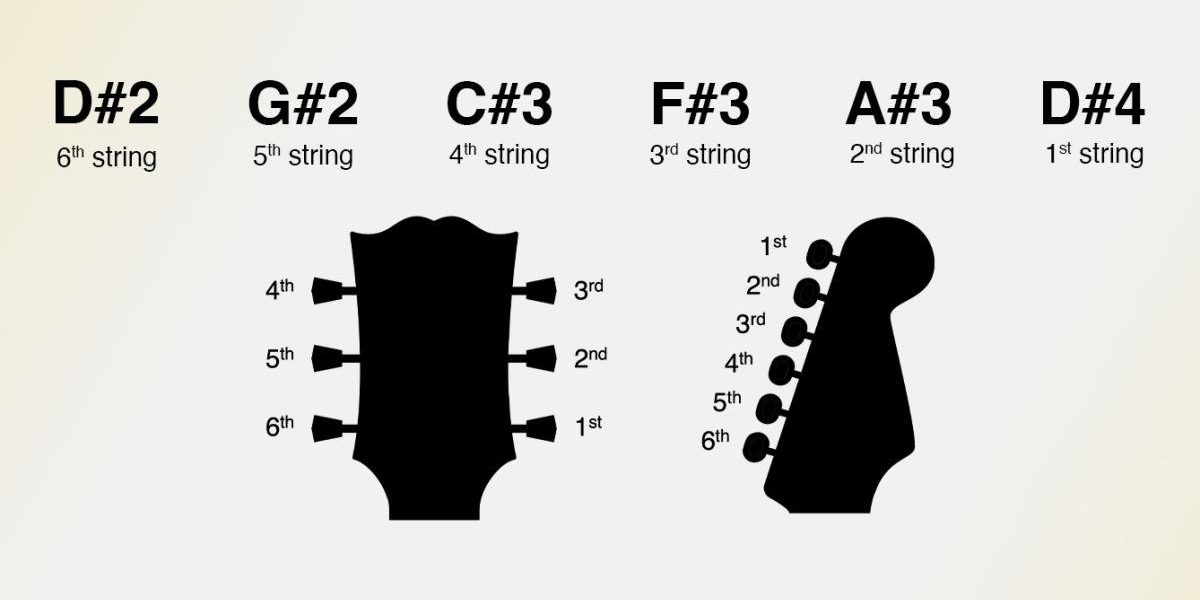
Half step down tuning, also known as E♭ tuning, is a popular alternative tuning method where all the strings of the guitar are tuned down by one half step. This means that each string is tuned to a pitch that is one fret lower than the standard tuning. The notes for half step down tuning are, from the lowest to the highest string, D♯, G♯, C♯, F♯, A♯, and D♯.
By tuning your guitar to half step down, you can achieve a lower and richer sound that can add depth and warmth to your playing. This tuning is widely used in various genres of music, including rock, blues, and metal, as it offers a different tonal quality that can make your playing stand out.
The Benefits of Half Step Down Tuning
There are several benefits to using half step down tuning in your guitar playing. One of the main advantages is that it can make it easier to play certain songs that are originally recorded in this tuning. Many artists prefer half step down tuning for its unique sound and the comfort it provides during performances.
Another benefit of half step down tuning is that it can help reduce the tension on the strings, which can lead to a more relaxed playing experience. The lower tension can also be gentler on your fingers, making it ideal for beginners or those with sensitive fingertips.
How to Tune Your Guitar to Half Step Down
Tuning your guitar to half step down is a simple process that can be done manually or with the help of a digital tuner. Here’s a step-by-step guide to tuning your guitar to half step down:
Manual Tuning Method:
- Start by tuning the low E string down to D♯.
- Tune the A string down to G♯.
- Adjust the D string to C♯.
- Move on to the G string, tuning it to F♯.
- Tune the B string to A♯.
- Finally, tune the high E string down to D♯.
Using a Digital Tuner:
If you have a digital tuner, simply select the half step down setting and follow the on-screen instructions to tune each string accordingly. This method is quick, accurate, and perfect for beginners who may not be familiar with tuning by ear.
Playing in Half Step Down Tuning
Once you have tuned your guitar to half step down, you are ready to explore the unique sound and feel of this tuning. Playing in half step down tuning can open up new possibilities for your music, allowing you to experiment with different chord voicings, melodies, and riffs.
Experiment with playing some of your favorite songs in half step down tuning to hear how the lower pitch affects the overall sound. You may find that certain songs sound richer and more vibrant when played in this tuning, giving you a fresh perspective on familiar tunes.
Popular Songs in Half Step Down Tuning
Many iconic songs are recorded in half step down tuning, showcasing the versatility and popularity of this tuning method. Some famous examples include “Sweet Child o’ Mine” by Guns N’ Roses, “Purple Haze” by Jimi Hendrix, and “Everlong” by Foo Fighters.
By learning and playing these songs in half step down tuning, you can gain a deeper understanding of how this tuning can influence the overall sound and vibe of a piece of music. It’s a great way to hone your skills and expand your musical horizons.
Half step down tuning is a valuable tool in the guitarist’s repertoire, offering a unique sonic experience that can enrich your playing in countless ways. Whether you’re a beginner looking to explore new sounds or an experienced player seeking fresh inspiration, experimenting with half step down tuning can take your music to the next level.
So, grab your guitar, tune it to half step down, and let the magic of this alternative tuning guide you on a musical journey full of creativity and expression. Embrace the lower tones, feel the resonance, and unleash your musical potential with half step down tuning!
Perfect Guitar Tuner (D# / Eb Standard – Half Step Down = D# G# C# F# A# D#)
Frequently Asked Questions
What is half step down tuning?
Half step down tuning, also known as flat tuning, involves tuning each string of a guitar down one half step lower than the standard tuning. This means each string is tuned to the note one fret lower than it would be in standard tuning.
Why would someone use half step down tuning?
There are various reasons why a musician might choose to use half step down tuning. It can create a lower, slightly mellower sound compared to standard tuning. Some find it more comfortable to sing along with when playing certain songs. Additionally, it can be easier to play certain chords and stretches for players with smaller hands.
Does half step down tuning affect the tension on the guitar strings?
Yes, tuning the guitar a half step down can lead to a slight decrease in string tension compared to standard tuning. This can result in a looser feel when playing, which some musicians find more comfortable, especially for bending notes or playing certain styles of music.
Are there any disadvantages to using half step down tuning?
One potential disadvantage of half step down tuning is that it may require adjusting how you play certain songs if you are used to playing them in standard tuning. Additionally, if you need to play with other musicians who are in standard tuning, it can cause challenges unless everyone adjusts accordingly.
Final Thoughts
In conclusion, experimenting with half step down tuning can breathe new life into your music. Embracing this alternative tuning unlocks a world of rich, unique sounds and textures for your compositions. By simply lowering each string by a half step, you can achieve a fresh and distinctive sound that sets your music apart. So, don’t hesitate to explore the creative possibilities that half step down tuning has to offer.