


As companies expand across borders, team building becomes more than just an internal activity. It becomes a strategic tool for driving growth, fostering communication, and promoting innovation. With remote teams, multicultural workforces, and international goals, the need to build trust and cohesion across offices in different countries has never been more essential. Successful businesses understand that while the principles of team building are universal, their execution must adapt to local cultural norms, work habits, and expectations.
Understanding Cultural Context in Team Building
What motivates and connects employees in one country may not have the same impact elsewhere. For example, American team-building programs often focus on openness, creativity, and leadership exercises. These may include outdoor adventures, problem-solving challenges, or personality assessments that encourage individual expression.
In contrast, team-building approaches in Japan or South Korea might focus more on harmony, collective responsibility, and structured social activities. Here, group dinners, karaoke nights, and company outings are popular ways to strengthen bonds in a respectful, non-confrontational manner.
In Germany, efficiency and professionalism are key. Team-building exercises often take place within the framework of structured workshops, goal setting, and skill development. Meanwhile, in Scandinavian countries, a flat hierarchy and open dialogue are encouraged through collaborative retreats and outdoor challenges that balance work with wellness.
Understanding these differences is essential for HR teams and business leaders. Applying the same team-building model across all offices without cultural adaptation can lead to confusion, resistance, or even alienation.
Team Building Milano
Italy, and specifically the city of Milan, offers a unique approach to team building that blends culture, creativity, and lifestyle. Team building Milano has grown into a popular concept among companies based in or visiting the region, thanks to the city’s blend of business sophistication and cultural richness.
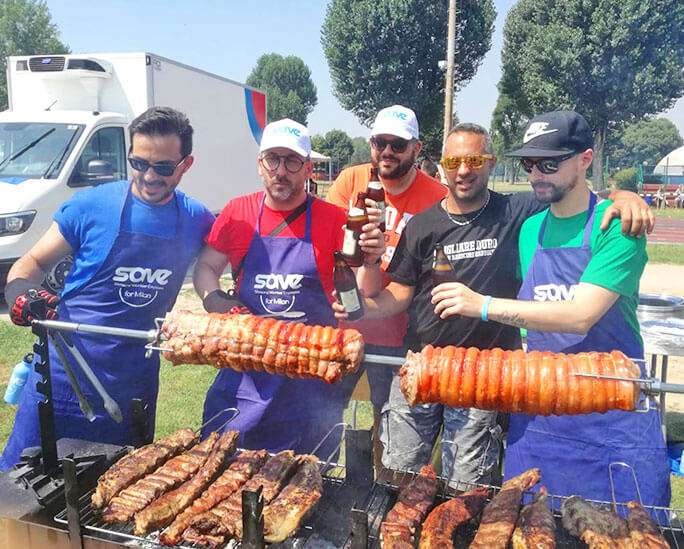
In Milan, team-building events often incorporate elements of fashion, design, and culinary tradition. Cooking classes led by Italian chefs, wine tastings in historical venues, or design workshops in the city’s creative districts are common choices. These activities provide more than entertainment—they immerse teams in local experiences that promote collaboration and spark new ways of thinking.
Companies in Milan also take advantage of nearby destinations such as Lake Como or the Italian Alps for off-site retreats. These locations offer the chance to combine strategic meetings with wellness, outdoor activities, and cultural excursions. This relaxed yet structured approach often leads to better communication, stronger interpersonal relationships, and renewed focus when teams return to work.
Moreover, team building in Milano is not limited to large corporations. Small startups and international companies with remote teams often organise seasonal meetups in the city, using its central location and rich infrastructure to gather talent from across Europe.
The Business Value of International Team Building
When companies invest in team building across multiple countries, they are not just improving morale—they are directly supporting business growth. A well-bonded team is more likely to share knowledge, communicate effectively across time zones, and align with company goals.
Cross-border team building also encourages empathy and cultural intelligence. When employees understand each other’s backgrounds and perspectives, they are more likely to collaborate without friction, resolve conflicts faster, and develop innovative solutions.
In practical terms, team building can reduce turnover, increase productivity, and improve employee satisfaction. As businesses face global challenges, such as economic shifts, supply chain complexity, and evolving technologies, the ability to rely on a united and resilient team becomes a strategic advantage.
Adapting for the Future
As work becomes increasingly hybrid and decentralised, team building will continue to evolve. Virtual workshops, international retreats, and local experiences, such as team-building activities in Milano, will all play a role in maintaining cohesion. The key is to remain flexible, respectful of local cultures, and committed to building human connection, no matter the borders.
