Precision-Driven Packaging Quality Inspection for High-Risk Consumer and Pharma Products

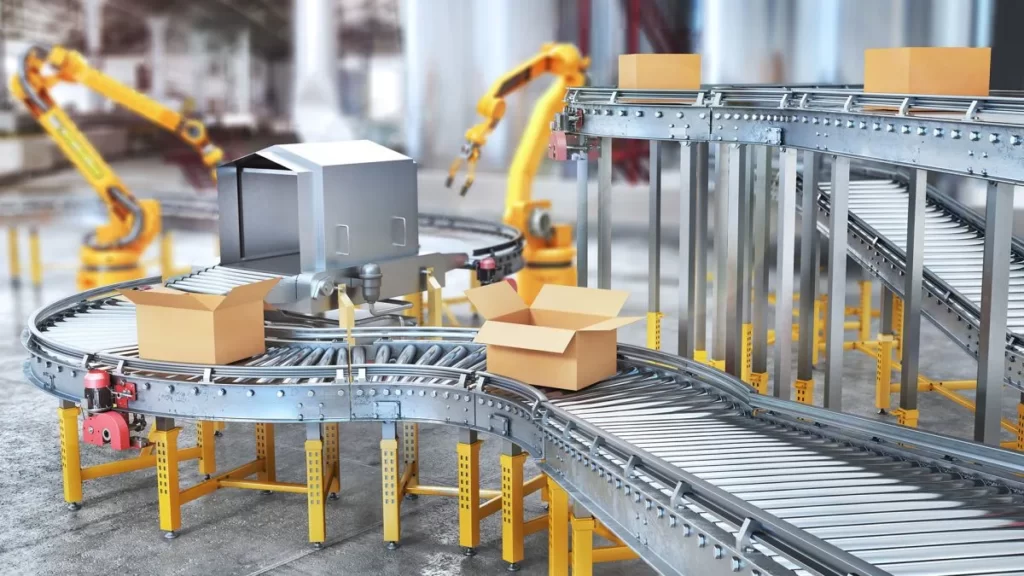
Packaging has a significantly larger role in industries where safety, hygiene, and brand integrity are paramount, than most individuals would consider. It’s not just about how a product looks on a shelf. It is all about protection, compliance and making sure the product is delivered to the end user in the ideal state.
Consider high-risk products such as pharmaceuticals or sensitive consumer goods. Any minor flaw in the packaging may result in contamination, recalling of the products or even lawsuits. This is why organizations are spending a lot of money on finer and more formal inspection procedures to reduce the risk and ensure uniformity.
Why Packaging Quality Matters in High-Risk Industries
High-risk industries packaging is not just a protective coating. It provides a shield against environmental conditions such as moisture, light and contamination. In pharmaceuticals, such as in the case of a drug, a small sealing flaw may affect the efficacy of the drug. It is at this point that Packaging quality inspection comes in as a crucial point of inspection in the production lifecycle.
In addition to safety, packaging also guarantees regulatory compliance and brand credibility. The government demands high compliance with labeling, tamper evidence and material standards. In case of failure of these elements, the companies are not only punished, but they also lose the trust of customers. Thus, it is not only about detecting defects, but it is about avoiding them.
Key Parameters Evaluated During Inspection
Inspectors do not use one checklist when assessing packaging. They instead evaluate various parameters that determine quality and reliability as a whole. This multi-layered design guarantees that both the functional and visual are up to specified standards.
The strength of materials, sealing integrity, labeling accuracy, and environmental stress resistance are some of the most crucial factors. The consistency of batches is also inspected by the inspectors, since even minor deviations can reflect underlying problems with the processes. The mission is straightforward yet challenging: no compromise where quality is concerned.
Techniques Used in Packaging Inspection
The current form of inspection is a blend of the traditional checks with modern technologies to guarantee the accuracy. The methods are used to detect visible and concealed defects prior to shipment of products.
- Visual Inspection: Surface defects, misprints and labeling mistakes are detected by use of manual or automated systems.
- Seal Integrity Testing: Assures airtight and non-leak packaging, which is of great importance in food and pharma products.
- Drop and Compression Testing: This is used to test the durability by simulating real-life handling conditions.
- Barcode and Label Check: Ensures that the readability is accurate and meets the regulatory standards.
- Environmental Testing: Evaluates the packaging behavior in terms of humidity, temperature and pressure changes.
Through these methods, businesses develop a strong inspection system that will greatly minimize chances of defective packaging getting to the market.
Challenges in Maintaining Packaging Quality
Although the inspection technologies were developed, the problem of the stable quality of packaging is still present. Raw material variability is one of the major problems. Even in a well controlled manufacturing process, the differences in material quality may result in inconsistent performance.
The other issue is the growing complexity of packaging designs. Multi-layer packaging, smart labels and tamper-evident characteristics are commonly featured in modern packaging. These innovations enhance functionality, but also increase the burden of inspection. Businesses have to constantly modernize their processes and equipment in order to meet these changing needs.
The Growing Role of Integrated Inspection Systems
With the growth of production and the supply chain across the world, isolated inspection procedures are no longer adequate. Firms are now incorporating inspection systems in production lines. This enables it to monitor in real time and correct defects immediately, instead of finding out that there is a problem after the production process.
Automation and data analytics are playing a key role here. Smart systems can detect patterns, predict potential failures, and provide actionable insights. This reactive to proactive quality management is assisting firms to be more efficient and at the same time upholding high quality standards.
Conclusion
Accuracy in packaging is no longer an option, particularly in high-risk sectors where safety and compliance are paramount. An organized system that involves the use of high-level methods, professional inspection, and unified systems is what can guarantee the safety of products during the production process to delivery.
With the help of matching Packaging quality inspection with the larger Product Inspection strategies, businesses can develop a holistic quality system that helps to reduce risks and enhance customer confidence. Ultimately, it is not about packaging, but it is about providing reliability, safety and confidence with each product.